
GenZ - News, politics, and social issues by Ann
Rank #1 Inflation and Affordability: What Is Getting More Expensive for Young Americans?
Sources
● Associated Press — Inflation rose to 3.7%, October 14: Quick View
● Pew Research Center Americans’ economic concerns, October 8: Quick View
● KFF — Healthcare and cost-of-living concerns: Quick View
Editorial Piece: Prices are rising again, and if your paycheck feels like it’s shrinking, you’re not imagining things. An Associated Press report dated October 14, 2026, found that US inflation reached 3.7% year over year in September, up from 3.4% in August. Gasoline and airfares were among the expenses adding pressure to household budgets.
For young Americans, that number is more than a statistic. Many are early in their careers, earning entry-level wages, paying rent for the first time, or stretching a student budget across tuition, food, and transportation. When costs climb faster than income, the first things to go are savings, travel, and sometimes the plan to move out at all. A higher fuel bill might mean a longer wait to buy a car. Pricier flights might mean skipping a trip home. Small increases add up quickly when there is little room in the budget.
It’s also worth being precise about what the data says. A 3.7% annual rate is a national average, not a price tag on every item. Some costs may be rising much faster, others more slowly, and what you pay in your city can look very different from the national picture. Year-over-year figures and month-to-month changes also tell different stories, so headlines about “soaring prices” should be read carefully.
Still, the concern is widely shared. Pew Research Center polling released on October 8 found that the economy is a leading issue for voters heading into the midterm elections on November 3, 2026. Affordability is not just a kitchen-table worry; it is shaping the political conversation.
So what can young people do with this information? Start by tracking your own spending in the categories that matter most to you, such as groceries, fuel, rent, and transportation. Compare those against reliable data instead of relying on viral posts. And if affordability is a priority for you, ask candidates where they stand and what specific plans they have.
Inflation affects everyone, but it lands hardest on people with the least cushion. Gen Z deserves clear, accurate answers about why their money doesn’t go as far as it used to.
GenZ - News, politics, and social issues by Ann
Rank #2 — New Voting Laws Could Change How Americans Cast Their Ballots
Sources
● Associated Press — New voting laws in Republican-controlled states: Quick View
● ABC News — Voting-rule changes ahead of the midterms: Quick View
●Pew Research Center — Voters’ leading election issues: Quick View
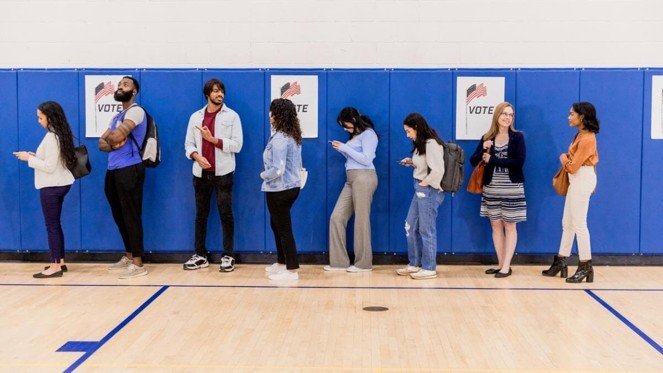
Editorial Piece: Think you already know how to vote? Think again. New voting laws taking effect across parts of the United States could change what you need to do before casting your ballot in the 2026 midterm elections.
According to Associated Press reporting published October 12, more than three dozen new voting laws in Republican-controlled states are taking effect this year. Some involve voter identification requirements and rules for mail-in ballots. That means the steps you need to take could depend on where you live.
For first-time voters, college students, and young adults who’ve recently moved, understanding these rules is especially important. You might be registered at an old address, unsure which identification you need, or planning to vote by mail. Assuming the rules are the same everywhere could leave you unprepared. So, what should you do?
First, check your voter registration status. Second, confirm your state’s identification requirements and deadlines. And third, if you’re voting by mail, review the instructions for requesting, completing, and returning your ballot. Use your official state or local election office as your source of truth. Don’t rely on an old social media post or information meant for another state.
Voting rules can differ across state lines, and legal challenges may affect how some rules are applied. That’s why accurate, state-specific information matters more than viral claims. Before Election Day, check your state’s official election website—and share verified information, not rumors.
GenZ - News, politics, and social issues by Ann
Rank #3 — College Students Are Losing Confidence in Their Future
Sources
●ABC News / Associated Press — College students’ political anxiety, October 4: Quick View
● ClickOrlando — Associated Press report on students’ future concerns: Quick View
● CIRCLE at Tufts University — College students ahead of the 2026 election: Quick View
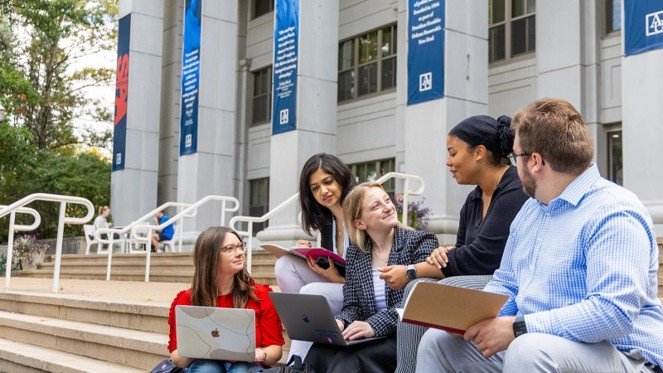
Editorial Piece: For many college students, getting a degree is supposed to be the first step toward a better future. But for some young Americans, that promise is becoming harder to believe.
From struggling to secure internships to worrying about finding a stable job after graduation, students are facing growing uncertainty about what comes next. And beyond their careers, some are also concerned about the country’s political direction and the opportunities that will be available to them. So why does this matter?
Because college is more than just attending classes and passing exams. It’s an investment of time, money, and years of hard work. Students are making decisions about tuition, student loans, housing, and their future careers, often without knowing whether those sacrifices will lead to the stability they expect.
For recent graduates and first-time job seekers, the pressure can feel even greater. A degree may open doors, but it doesn’t automatically guarantee employment, financial independence, or the ability to afford a place of their own. But does this mean the American Dream is no longer realistic for Gen Z?
Not necessarily. Students’ experiences differ, and uncertainty doesn’t mean opportunity has disappeared. However, it does raise important questions about education costs, access to internships, entry-level hiring, and whether young people feel prepared for the world they’re entering.
Instead of dismissing these concerns as ordinary growing pains, we should take a closer look at what’s driving them.
Because the future isn’t just something young people are waiting for. It’s something they’re trying to build—and they deserve a fair chance to do it.
GenZ - News, politics, and social issues by Ann
Rank #4 — Who Should Be Responsible for Protecting Young People Online?
Sources
● CBS News / KFF Health News — Online safety across party lines: Quick View
● ABC News / Associated Press — Social media safety and emerging AI risks: Quick View
● CBS News — Social media companies and teen-harm lawsuits: Quick View
Editorial Piece: Few issues bring Republicans and Democrats together these days, but protecting young people online is one of them. KFF Health News reported in October 2026 on bipartisan concern about children’s online safety and an ongoing debate over how platforms and policymakers should respond. Meanwhile, Associated Press reporting has examined social media safety and emerging risks tied to artificial intelligence, and major companies, including Meta, TikTok, Snapchat, and YouTube, face lawsuits over alleged harm to teens.
The goal of keeping kids safe is hard to argue with. Supporters of stronger rules say platforms are built to keep users scrolling, and that families can’t be expected to counter that design alone. They point to age checks, tighter default settings, and greater company accountability as ways to reduce harm.
But the solutions are far from simple. Critics warn that age verification could require people to hand over sensitive personal information, raising privacy concerns. Others worry that broad restrictions could limit teens’ access to information, community, and self-expression, and could affect young creators who earn money online. Even adults can feel the effects, since rules written for minors often change the platform experience for everyone.
It also matters to separate what is actually happening from what is only being proposed. A lawsuit is not a verdict. A proposal is not a law. And not every young person who uses social media is a minor or experiences harm. Treating all of these as the same thing makes it harder to understand the real debate.
For Gen Z, this isn’t an abstract policy fight. These are the apps where friendships, news, culture, and income live. Whatever lawmakers and courts decide will shape how you communicate and create.
So who should decide? Parents, platforms, governments, or young people themselves? There is no easy answer, but there is a better way to approach the question: look for solutions that take safety seriously without ignoring privacy and free expression. Young people should be part of that conversation, not just the subject of it.
GenZ - News, politics, and social issues by Ann
Rank #5 — Can AI Be Trusted to Give Voters Accurate Election Information?
Sources
● CBS News — FEC enforcement and AI election concerns, October 7: Quick View
● Associated Press — AP-NORC poll on public concerns about AI: Quick View
● Associated Press — New voting rules ahead of the midterms: Quick View
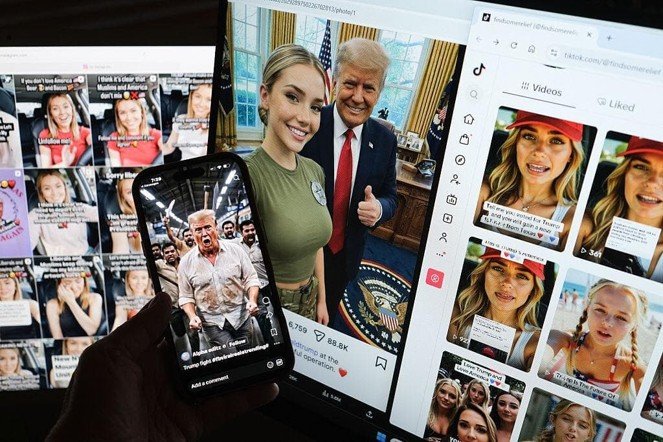
Editorial Piece: Imagine asking an AI chatbot where to vote, what identification you need, or when your state’s voter registration deadline is. You get an answer in seconds. But what happens if that answer is wrong?
As artificial intelligence becomes part of how people search for information, young voters are facing a new challenge: figuring out which answers they can actually trust. A CBS News investigation published October 7, 2026, raised concerns about AI chatbots providing inaccurate election information. The report also examined election oversight ahead of the midterm elections. Meanwhile, an AP-NORC poll cited in the reporting found that 64% of U.S. adults thought AI was advancing too quickly.
For Gen Z, this issue matters because many young people encounter news through social media, search engines, online creators, and AI tools. A convincing answer, however, isn’t necessarily a correct one. An AI chatbot could provide outdated voting deadlines, misunderstand state-specific rules, or repeat misleading claims. Even a small mistake could leave someone confused about how to participate in an election.
So, should we stop using AI for election information? Not necessarily. AI can help explain complicated topics, but its answers should be treated as a starting point—not the final authority.
Before acting on voting information, verify registration requirements, deadlines, polling locations, and identification rules through official state or local election websites. Because when it comes to democracy, getting the facts right matters more than getting an instant answer.
AI can help us find information. But the responsibility to verify it still matters.
GenZ - News, politics, and social issues by Ann
Rank #6 — Why Are Young Americans Worried About Finding a Job?
Sources
● ABC News / Associated Press — College students and uncertain career prospects: Quick View
● Pew Research Center — Economic and job-market concerns: Quick View
● CBS News — Reporting on AI and American jobs: Quick View
Editorial Piece: You did everything you were told to do: get the degree, build the resume, apply for the jobs. So why is finding work so hard? For many young Americans, that question is becoming a source of real anxiety.
An Associated Press feature published October 4, 2026, described college students struggling to secure internships, a key stepping stone into the workforce. Pew Research Center reported on October 8 that 48% of US adults are very concerned about people who want to work being unable to find jobs. Together, these reports suggest the worry is widespread, not limited to a few students.
For entry-level job seekers, the stakes are high. A first job affects whether you can pay off student loans, move out of your parents’ home, and begin building financial independence. When opportunities are scarce, even a short delay can feel like falling behind.
Many people are also asking whether artificial intelligence is changing the hiring landscape. CBS News has reported on warnings about AI’s potential effect on American jobs, and it’s a fair question to ask. But the evidence available so far doesn’t show that AI is the only reason young people are struggling. Employer requirements, access to internships, local job markets, and the broader economy all play a role.
It’s also important not to confuse personal stories with national statistics. One student’s difficult search is real and deserves attention, but it doesn’t prove how every graduate is doing. Youth unemployment figures and overall workforce numbers can tell different stories, and the clearest picture comes from looking at both.
What can job seekers do in the meantime? Look beyond big national job boards to local openings. Ask professors, alumni, and mentors about opportunities that aren’t widely advertised. Build skills and experience through projects, volunteering, or short-term work when internships are hard to find. None of this replaces a fair job market, but it can improve your odds.
Young people shouldn’t be told to simply try harder. They deserve honest answers about why entry-level hiring has become so difficult, and real solutions to fix it.